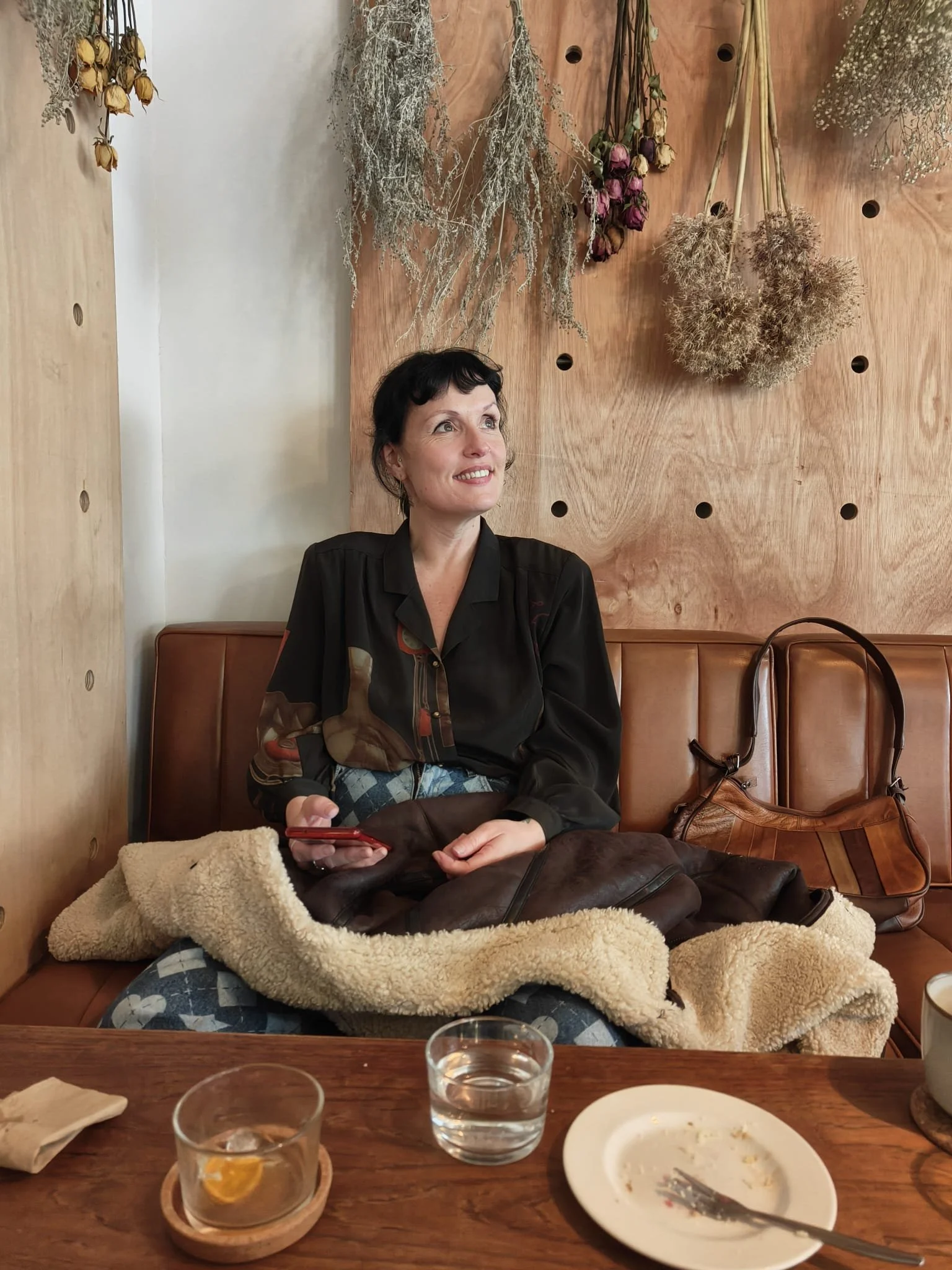
Hello, I’m Claire
Why ‘Real Help therapy’ ?Many experiences become unbearable not because of what took place but because we did not have support to work through that experience, maybe we didn’t feel listened to, felt shamed, felt the absence of a caring other. My work is led by non-judgement, honesty, understanding and ‘realness’. Being real, listening and guiding you forwards.
My journey into counselling began with a desire to understand myself more fully and to make sense of my relationships. Over time, that personal curiosity grew into work that I feel deeply connected to and committed to.
I am unapologetically myself and made up of many parts. I value warmth, humour, and creativity, and I find meaning in music, films, walking, and connection. Animals play an important role in how I experience the world, offering grounding and perspective.
I was late‑diagnosed with ADHD, a turning point that helped me understand many earlier experiences of feeling misunderstood or out of step. For a long time, I searched for answers within systems that did not always make space for difference. This lived understanding continues to shape how I work, particularly my attentiveness to shame, misattunement, and the quiet ways people learn to doubt themselves.
I bring personal experience of a range of life challenges, including loss, trauma, abuse, addiction, menopause, navigating life with ADHD, and the shifting identity that can come with becoming a step‑parent. These experiences are not placed at the centre of the therapeutic space, but they deepen my empathy and inform the care, sensitivity, and respect I bring to my work.
My approach is attachment‑informed, trauma‑aware, and neuro‑inclusive. I am mindful of the ethical importance of not pathologising difference, and of distinguishing carefully between neurodivergent traits, attachment patterns, and the impact of lived experience. I aim to work with curiosity rather than certainty, and collaboration rather than assumptions.
I am committed to creating an environment where people feel accepted as they are whether neurodivergent or neurotypical, certain or unsure and where difference is treated with respect. Therapy does not require you to know who you are yet or to have the right language. Together, we can explore identity, navigate challenges, and develop greater self‑understanding at a pace that feels safe and right for you.